Kenya is one of the few African countries where online forex trading is formally licensed, and the industry has used that legitimacy well: brokers sponsor events, academies sell courses, and young Kenyans are recruited into trading with the promise of income from a phone. The regulatory stamp answers one question and raises the important one. Licensed means the broker operates under conduct rules; it says nothing about whether the activity is permissible in Islam. On that question the scholarly answer is broadly settled, and it is not the one the academies advertise.
Ready to compare halal options?
Currency exchange is halal. Retail forex is not currency exchange.
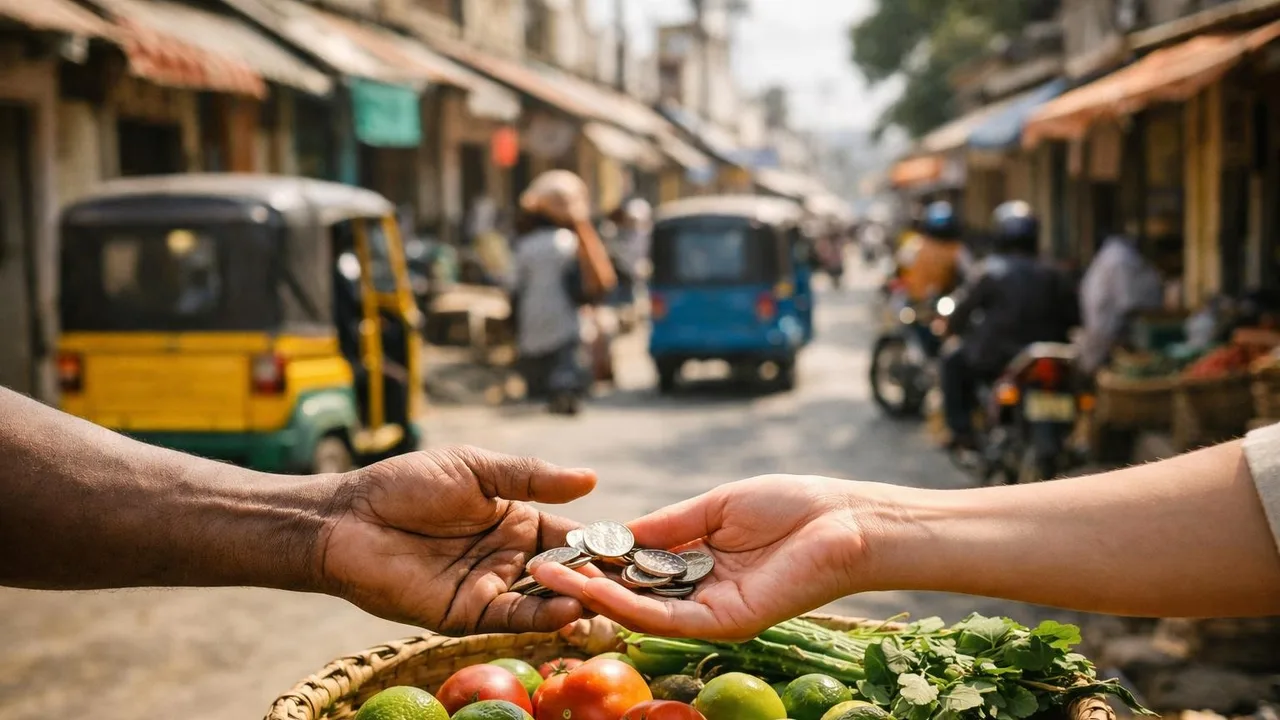
Islam permits exchanging currencies (sarf) under strict conditions: immediate settlement of both legs at an agreed rate, hand to hand in the classical language. Changing shillings to dollars at a forex bureau, converting money for travel or trade, even holding dollars because you expect the shilling to weaken, all satisfy this comfortably, because you own what you bought. Retail forex platforms sell something else entirely: leveraged contracts for difference on currency pairs, where no currency is ever owned or delivered and positions settle as cash differences on price movement. The trade is a wager on a number, funded with borrowed exposure. Every condition of valid sarf, delivery, possession, absence of riba, is missing by construction.
Leverage, swaps and the swap-free costume
Leverage means the broker extends you exposure many times your deposit, a financing arrangement whose price appears as overnight swap charges on held positions, interest by name and function. Brokers court Muslim clients with swap-free or Islamic accounts, and the honest analysis is unchanged: removing the swap label leaves a leveraged, cash-settled bet with no ownership, and brokers recover the swap economics through wider spreads, administration fees or forced position limits anyway. Fatwa bodies that examined these accounts, across multiple countries, were not persuaded, and Kenyan scholars have echoed them. A structure built on gambling mechanics does not become halal by adjusting one fee.
The worldly evidence agrees with the fiqh: regulators worldwide publish loss rates showing the large majority of retail CFD accounts lose money, and the ecosystem's profits flow from spreads, courses and signal subscriptions, not from students' trading success. The product performs exactly as designed; the design is not for you.
The academy and signal-seller economy
A word on the industry around the trading: forex academies, mentorship programs and signal groups sell participation in an activity that is itself impermissible, and their business models usually reveal the truth of the trade. Course fees, referral commissions from brokers for every student account opened, and subscription signals are where the reliable money is, which is why the sellers keep selling rather than quietly compounding their own accounts. Earning from teaching or promoting haram transactions shares their ruling, a point worth weighing for anyone offered an affiliate link along with their student discount.
What is actually permissible around currencies
Genuine exchange with immediate settlement: forex bureaus, bank conversions, and multi-currency holdings you own outright. Holding dollars as protection against shilling weakness is lawful wealth management, and gains on owned currency are permissible. Cross-border trade, importing, exporting, and the services around them earn from real goods moving. What the forex dream actually promises, income from skill on a phone, has halal versions too: Shariah-screened equity investing rewards patience with ownership of real businesses; Shariah money market funds park capital productively; and a trading temperament finds lawful expression in commerce itself, where Kenya's opportunities remain wider than any chart. Start small with our guide to halal investing on a budget.
Frequently asked questions
Is forex trading halal if the broker is CMA-licensed?
Licensing governs the broker's conduct, not the contract's permissibility. Leveraged CFD trading fails the fiqh requirements of ownership, delivery and freedom from riba regardless of who licenses it. The regulatory stamp makes the impermissible activity safer from fraud, which is a different virtue than being halal.
Are swap-free Islamic accounts halal?
The consensus of scholarly bodies that examined them: no. The swap is one riba element among several problems, and the core structure, leveraged cash-settled speculation without ownership, remains. Brokers also typically recover swap costs through spreads and fees, so even the removal is partly cosmetic.
Is holding dollars in Kenya halal?
Yes. Owning foreign currency in cash or a foreign-currency account is lawful, and appreciation on owned money is permissible gain. The exchange itself must settle immediately at an agreed rate through legitimate channels, which banks and licensed bureaus provide.
What about copy trading and forex investment managers?
Copying another person's impermissible trades does not change their nature, and handing capital to a manager who trades leveraged forex makes you the principal of the same transactions. Worse, unregulated forex management is a leading fraud channel in Kenya. Both fiqh and prudence point the same direction: away.
Compare providers in your county
See side-by-side comparisons of Shariah-compliant products, or let our matcher recommend the best options for your situation.
I have profits from past forex trading. What should I do?
The standard treatment of gains from impermissible dealings: retain your original capital, give the profits to the poor without counting it as rewarded charity, and close the accounts. What was done in ignorance is met with repentance, and redirecting the same energy into halal investing usually surprises people with how far it goes.