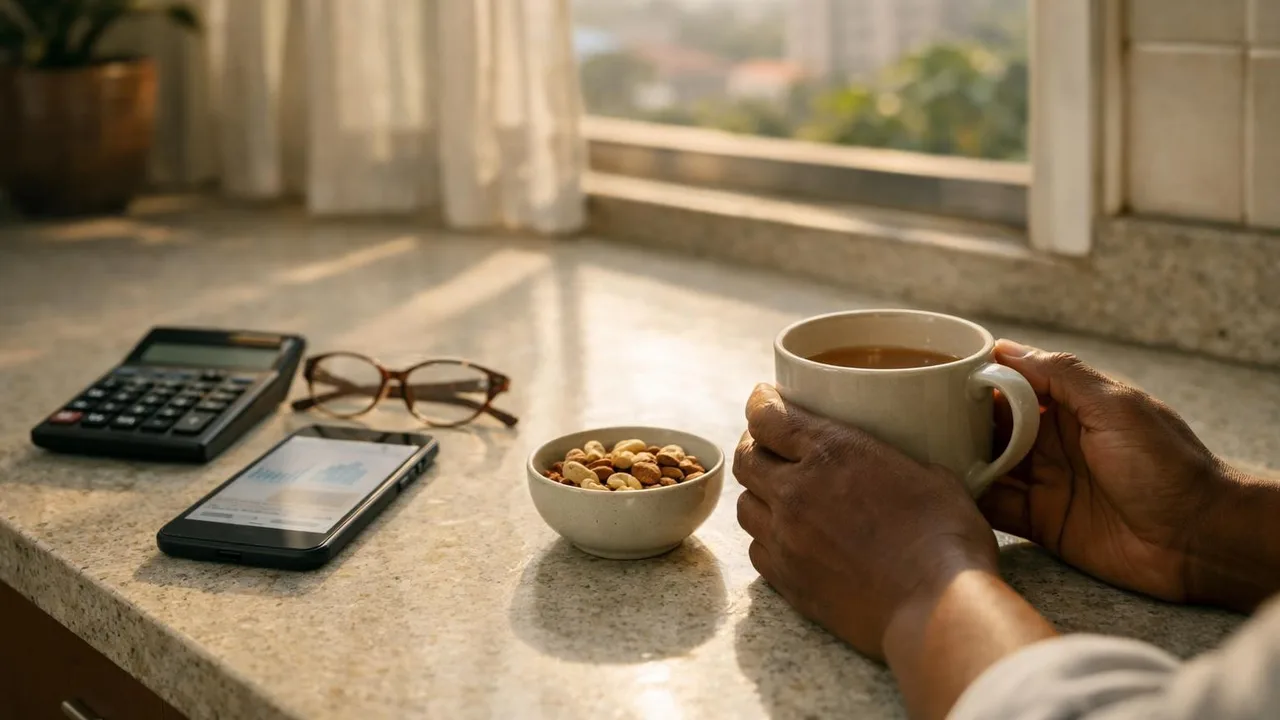
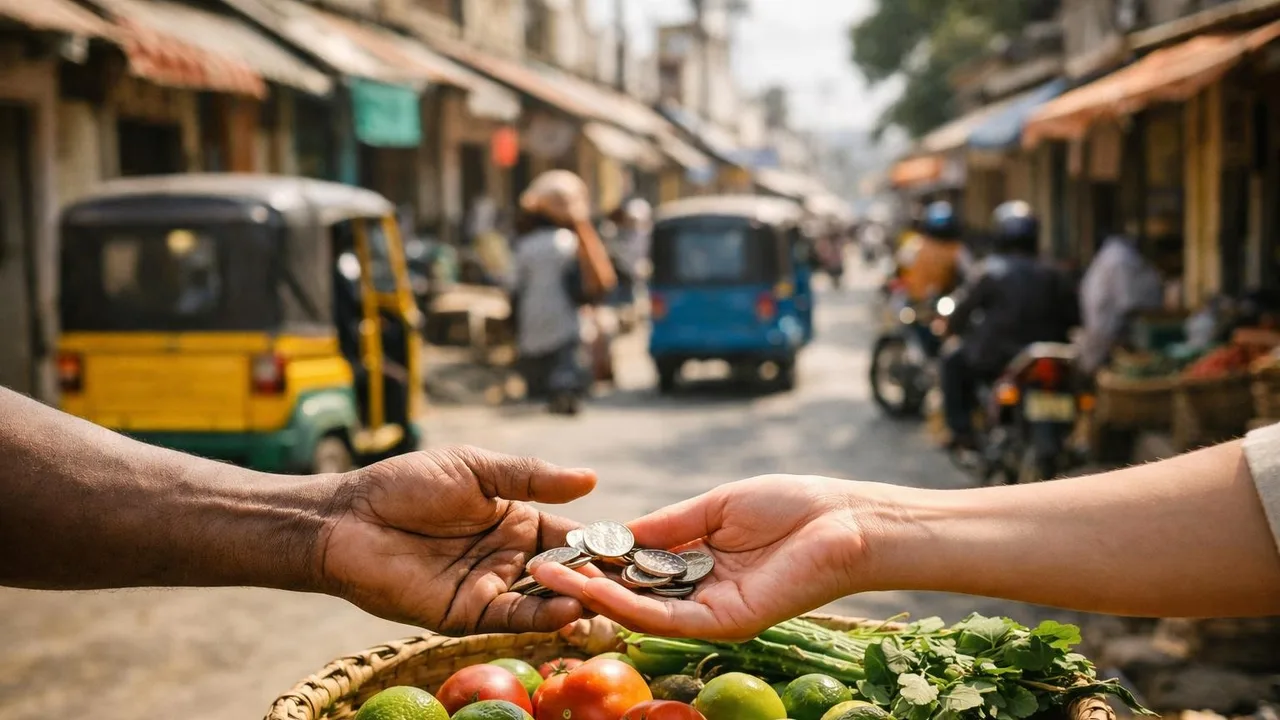
No country on earth has woven borrowing into daily life like Kenya. Fuliza tops up M-Pesa payments automatically when balances fall short, M-Shwari and KCB M-Pesa offer thirty-day loans inside the same app, and a crowd of lenders from Tala to Branch stands behind them. Tens of millions of Kenyans use these products; for many, Fuliza is simply how money works. For a Muslim the question cannot be avoided, and the answer is uncomfortable in proportion to how convenient the products are: charges for the use of lent money are riba, whatever they are named. What deserves more attention is the way out, because Kenya also has one of the more developed halal alternatives ecosystems in Africa.
Ready to compare halal options?
Why the fees are riba, product by product
Fuliza is an overdraft: it advances the shortfall on a payment and charges an access fee plus a daily maintenance fee that accumulates for as long as the amount is outstanding. A charge that grows with the duration of a debt is interest in its most classical form, whatever the tariff sheet calls it. M-Shwari and KCB M-Pesa charge a percentage facility fee on each thirty-day loan; a fee priced as a percentage of the amount for a period is interest stated once. App lenders price similarly with shorter tenors and harsher penalties. The scholarly analysis does not require subtlety here: any stipulated excess returning to a lender is riba, and each of these products stipulates one. There is no serious dissenting camp.
The spiral, and the credit record
The design deserves honest description. Daily-fee overdrafts convert small shortfalls into rolling charges that regenerate every day the balance stays negative, and salary arrives already owed. Thirty-day app loans stack across lenders, with borrowers taking from one to settle another, and default lands on credit reference bureau records that follow you into future employment and financing. None of this is accidental; frictionless credit at the point of payment is engineered to be used without deciding. Islam's prohibition of riba reads, in this market, less like an abstract rule and more like consumer protection revealed early: the people it guards hardest are exactly the people these products harvest.
Halal alternatives for the same moments
The moments mobile credit serves are real: a payment that will not go through, a bill before payday, stock for a kiosk. Kenya's halal answers, in order: a personal float, even a few hundred shillings kept deliberately in M-Pesa, absorbs the Fuliza moment at zero cost. Employer advances and documented family qard hasan bridge payday gaps without a shilling of increase. The chama, Kenya's rotating circle, delivers lump sums by turn with no interest anywhere, and Shariah-compliant SACCOs finance members against savings history through compliant structures. For business stock, Islamic banks' financing products buy and resell at fixed markup rather than lending at increase. Every one of these requires more intention than tapping accept, which is precisely why they leave you standing afterwards.
Getting out, and staying out
If you are inside the spiral now: stop new borrowing today, list every outstanding balance, and clear the daily-fee products first, since they bleed fastest, then the thirty-day loans before their rollovers. Pay contracted amounts to close accounts and repair your record; scholars distinguish paying interest under an existing obligation, which exiting requires, from entering new riba, which stops now. Then build the structure that makes the apps irrelevant: a small emergency float first, then a real buffer in a halal savings account or Shariah money market fund, automated on payday. The household that saves one month of expenses has exited the target market of every product in this article, permanently.
Frequently asked questions
Is Fuliza haram even for tiny amounts?
The daily maintenance fee makes the charge grow with time on a debt, which is riba regardless of size. Smallness reduces the money involved, not the nature of the transaction. Keeping a modest personal float in your wallet serves the same moments at no cost.
Is M-Shwari's savings side halal, even if its loans are not?
M-Shwari's lock savings pay interest, which a Muslim should decline or give away as purification. For halal returns on savings, use Islamic banks' profit-sharing accounts or Shariah money market funds, which generate returns from screened investments rather than lending at interest. The zakat and mobile money guide covers the related questions.
Are there any Shariah-compliant mobile loan products in Kenya?
Kenya's Islamic banks and Shariah SACCOs offer financing through compliant structures, increasingly accessible digitally, and takaful-linked and Murabaha-based products continue to grow. The test for anything marketed as halal: a named Islamic structure, a real institution with a Shariah board, and a fixed total that never grows with delay.
What do I do about interest already paid or earned?
Interest you paid is gone; repentance and avoiding a return to it is the path. Interest you earned, on lock savings or deposits, should be given to the poor without counting it as charity for reward. Your principal remains lawful, and the future matters more than the ledger behind you.
Compare providers in your county
See side-by-side comparisons of Shariah-compliant products, or let our matcher recommend the best options for your situation.
Will closing these products hurt my credit standing?
Settling balances and closing cleanly improves your record; only default damages it. Islamic banks and SACCOs assess savings history and conduct, which a disciplined halal financial life builds better than a trail of thirty-day loans ever did. Six months of steady saving speaks louder than any app score.